


- Overview
- Trip Outline
- Trip Includes
- Trip Excludes
- Gallery
- Booking
- FAQ
Birdwatching on Lake Nasser
Abu Simbel Circle with Dr. Sherif Baha El Din
Wednesday - 13.1. - Monday 18.1.2027 (Abu Simbel - Abu Simbel)
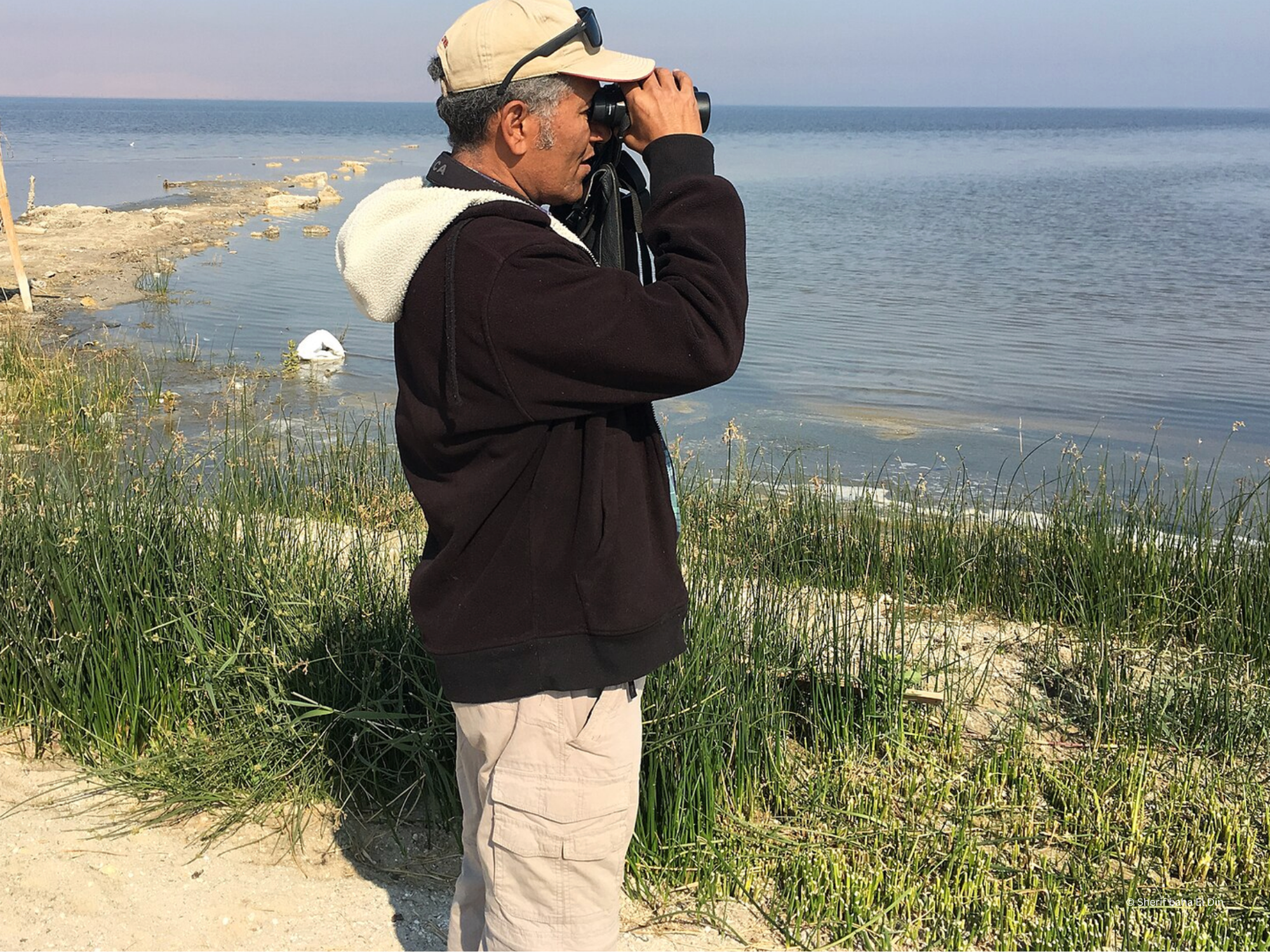
This unique birdwatching journey on Lake Nasser combines gentle navigation with expert-guided exploration in one of Egypt’s most surprising bird habitats. Accompanied by renowned ornithologist Dr. Sherif Baha El Din, you will discover a remarkable diversity of African and Nile Valley bird species—so don’t forget your binoculars.
Before boarding the Dabuka Blue, the journey begins with a dedicated birdwatching experience around Abu Simbel, allowing time to explore the area in the softer light of morning and evening.
Key Habitats & Species
Lake Nasser offers a unique ecological mix where Nile Valley and Sub-Saharan species meet.
Possible birds include:
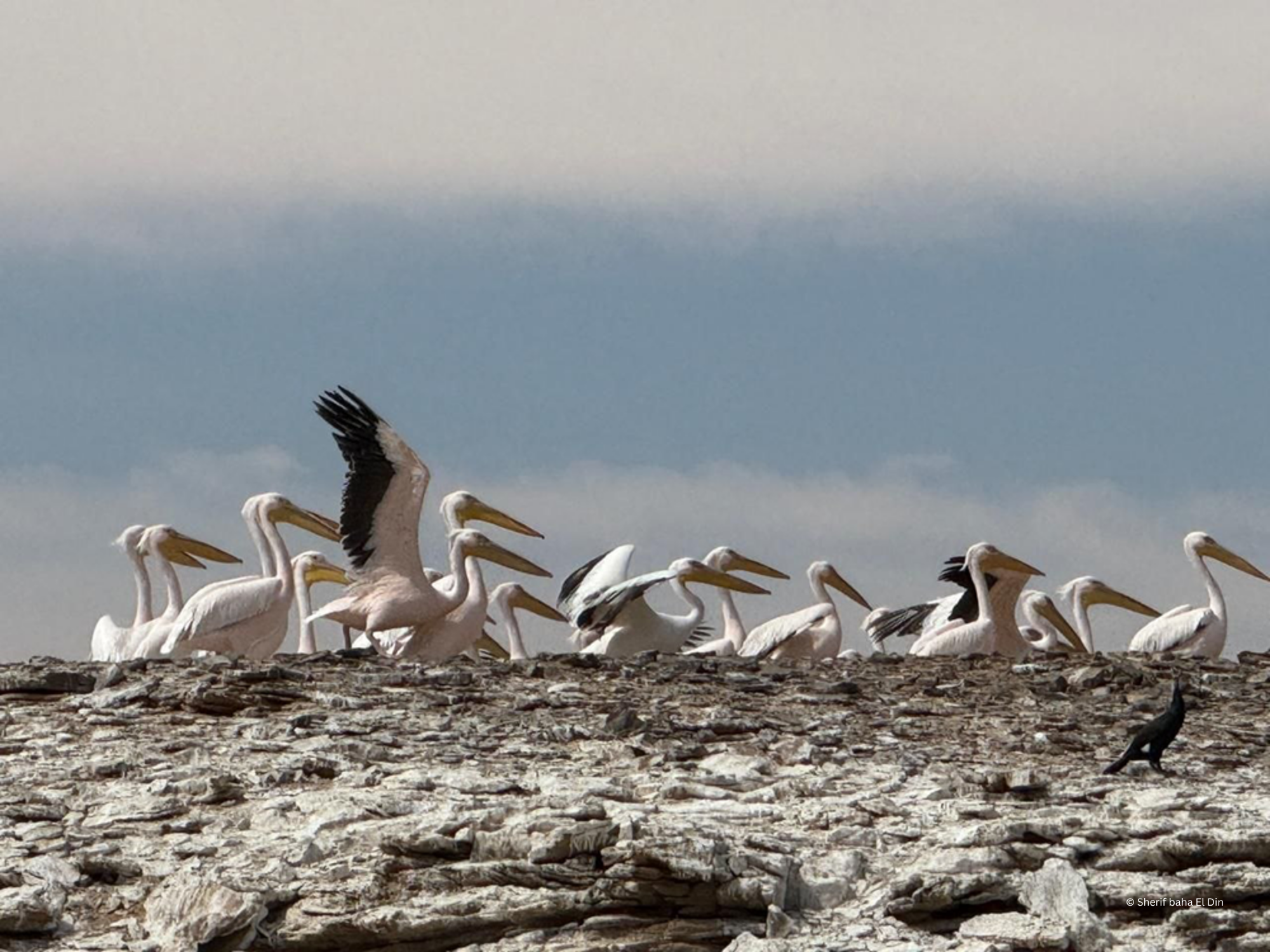
Pink-backed pelican, yellow-billed stork, African swamphen, Pink-headed Dove, Village Weaver, Crimson-rumped Waxbill, Senegal Thick-knee, Ferruginous Duck, African Reed Cormorant, Striated Heron, Clamorous Reed Warbler, Little Crake, Purple Heron, Isabelline Turtle Dove, African Rock Martin, African Pied Wagtail and many more.
Day 1 – Arrival in Abu Simbel & First Encounters
Arrival in Abu Simbel and overnight stay at a hotel.
The afternoon is dedicated to a relaxed exploration of the surroundings of Abu Simbel, introducing you to the region’s remarkable birdlife. The area around the temples, the lakeshore, and nearby wetlands offer excellent opportunities to observe a wide range of species.
Birdwatching is never about guarantees—but about awareness, patience, and discovery. With Dr. Sherif’s guidance, even the smallest detail becomes meaningful.
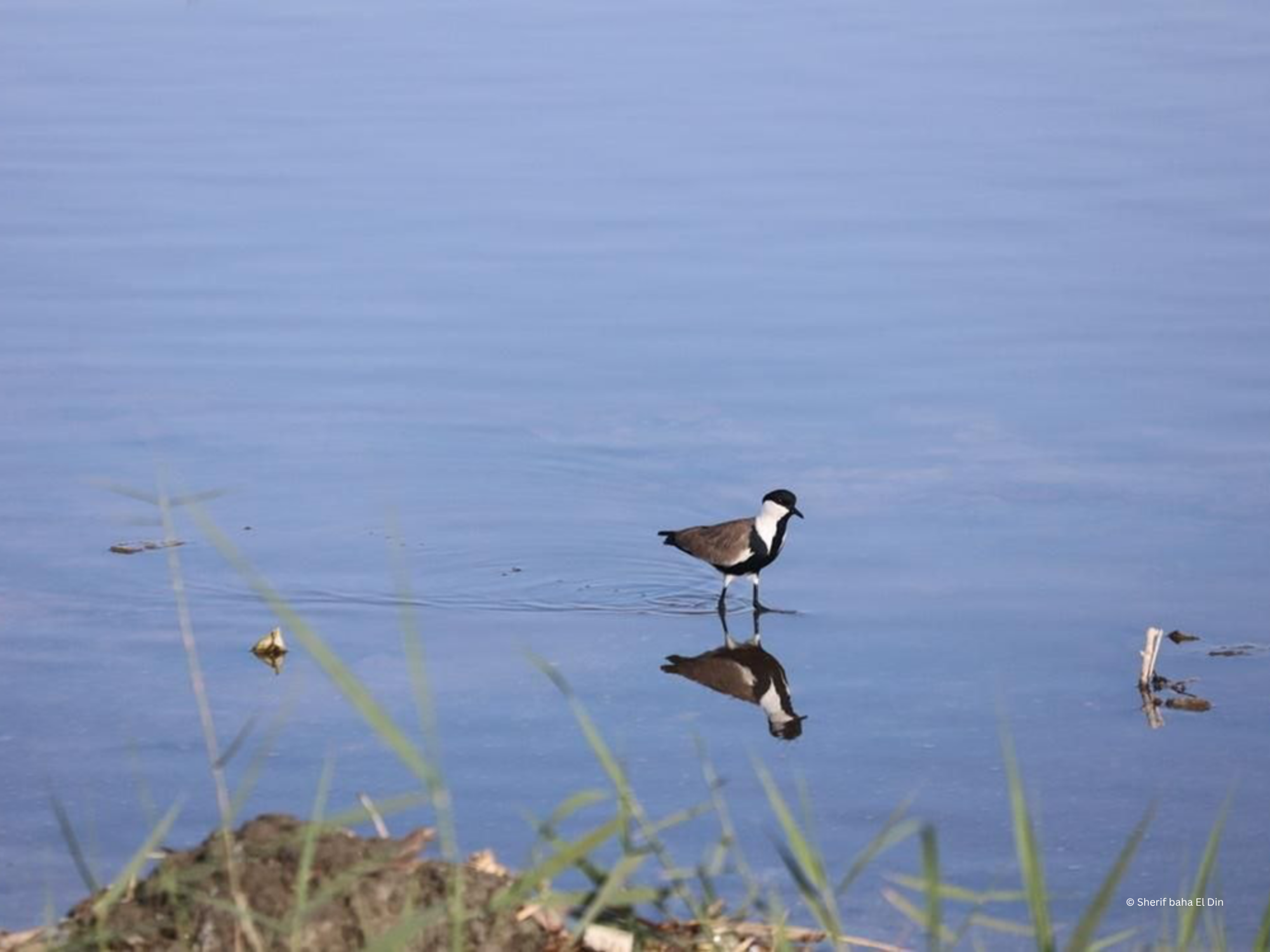
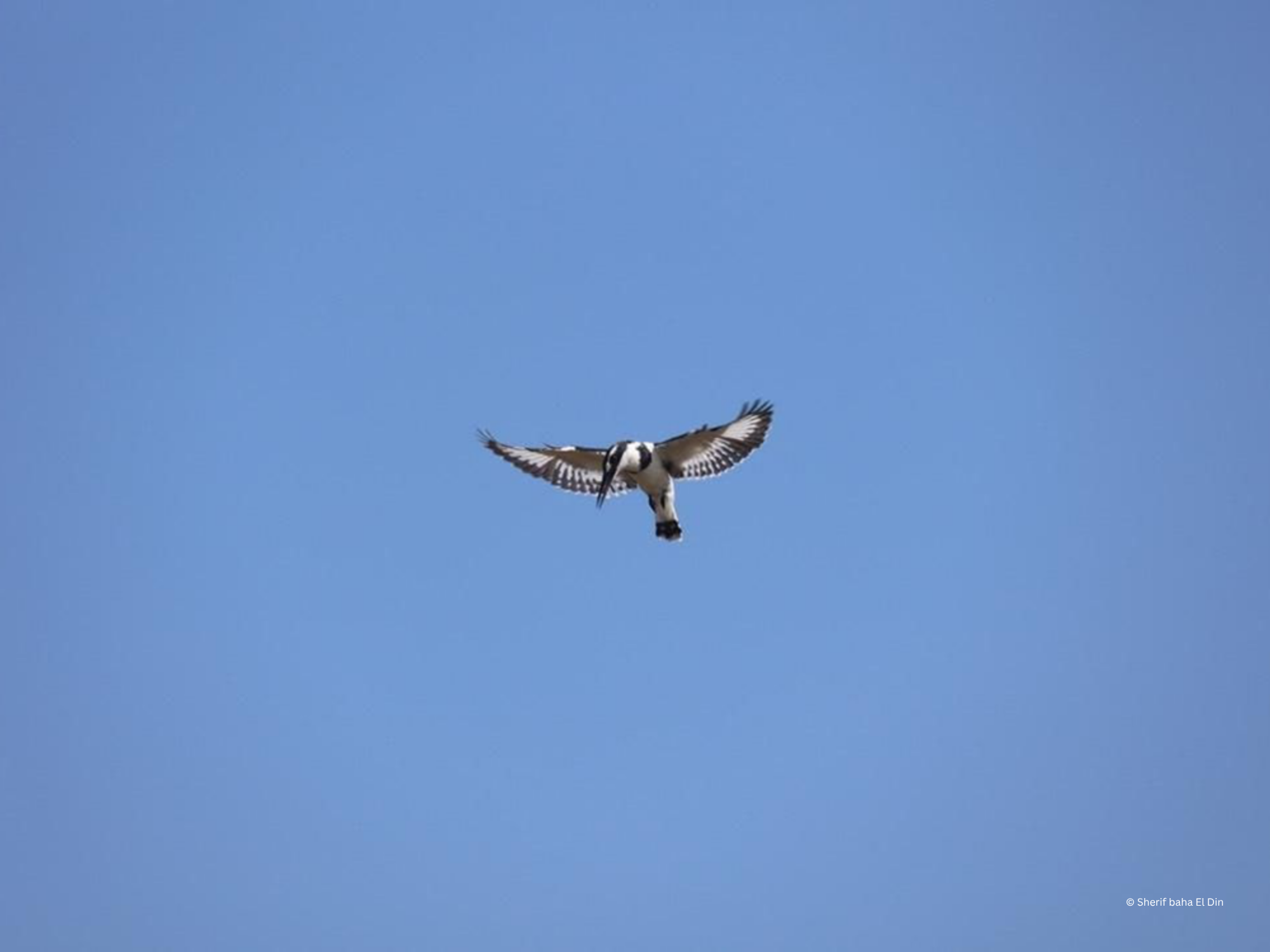
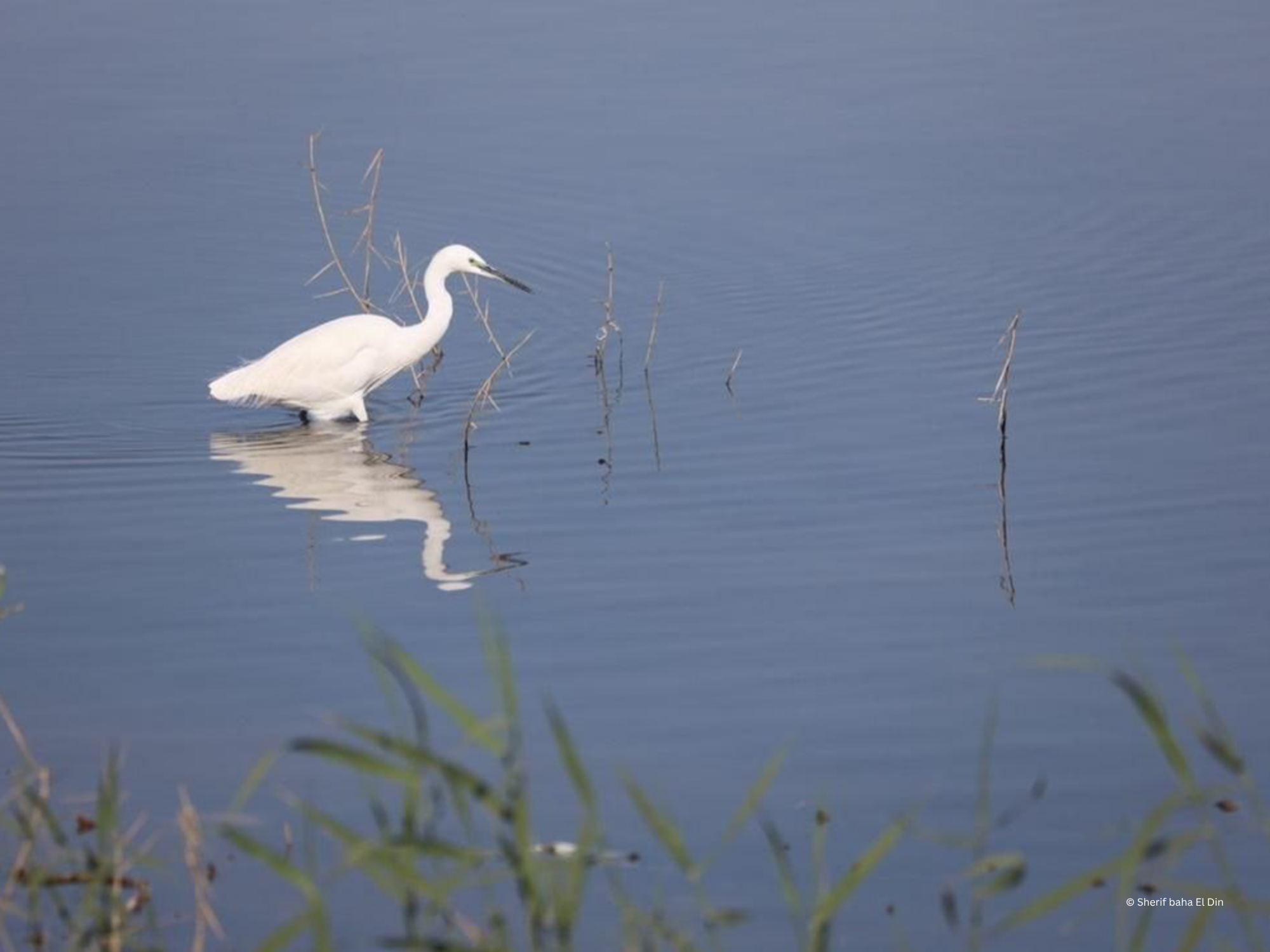
Typical species in the area include: Pelicans, herons, cormorants, Egyptian geese, Ferruginous Duck, African pied wagtails, Crimson-rumped Waxbill, Nile Valley sunbirds, and various kingfishers and plovers.
We can also search for the tiny Nubian Pygmy Gecko Tropiocolotes nubicus described from Abu Simbel in 1999.
In the evening, enjoy the unique atmosphere of Abu Simbel at a quieter time of day. An optional visit to the temples and the Sound & Light Show can be arranged.
Potential nocturnal species can include Pharaohs Eagle Owl and Egyptian Nightjar.
Overnight in Abu Simbel Kabara Nubian House or similar (BB)
Day 2 – Sunrise Birdwatching & Boarding the Dabuka Blue
An early morning birdwatching excursion takes advantage of the best hours for observation, before the heat of the day and before visitors arrive at the temples.
The lakeshore, wetlands, and surrounding landscapes offer further opportunities to observe resident and migratory species.
Target species in the area include: African Pied Wagtails, Crimson-rumped Waxbills, Nile Valley Sunbirds, Pink-headed Dove.
After breakfast, transfer to the Dabuka Blue and begin your Lake Nasser adventure.
Navigation starts along the shoreline, where birdlife is most active. Frequent stops allow for short walks and observations in changing habitats.
Target species in the area include: Pelicans, herons, African Reed Cormorant, Village Weavers, Clamorous Reed Warbler, and various kingfishers and plovers.
Visit of Kasr Ibrim, a unique historical site and another excellent birdwatching location.
In the afternoon, relax on board: enjoy the sun deck, the quietness of the lake, or retreat to your cabin.
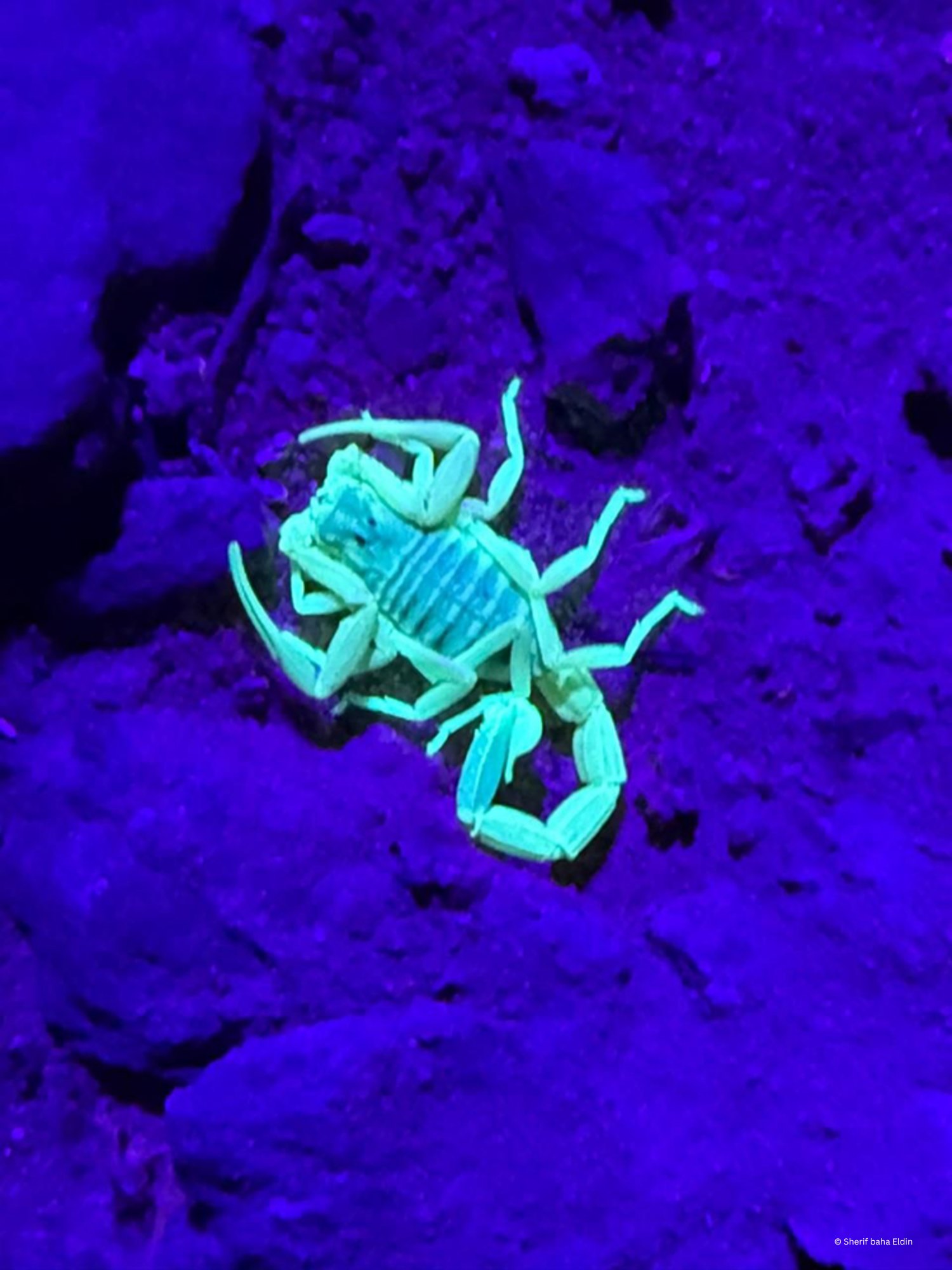
After dinner, a special highlight: a guided night walk. Beyond birds, the islands reveal traces of other wildlife—tracks, sounds, and movements that bring the landscape to life after dark.
Overnight on board Dabuka Blue (Full Board)
Day 3 – Along the Shoreline: Exploration & Discovery
The journey continues in a natural rhythm shaped by light, landscape, and wildlife.
Early morning excursions alternate with relaxed cruising. Each landing site offers new perspectives and species, depending on season and conditions.
Yellow-billed Kite and Ospreys can often be seen soaring above the water, while the sheltered bays and islands provide habitats for numerous waterbirds. If we are lucky, we might be able to spot a sunning Nile Crocodile or a Nile Monitor on the banks of the Lake. But they are very cautious and will slip quietly into the water when they hear the motor of the boat.
There is no fixed script—only experience, intuition, and the deep knowledge of your guide determining where to stop and what to explore.
Overnight on board Dabuka Blue (Full Board)
Day 4 – The Rhythm of Lake Nasser
Another full day of exploration in one of Egypt’s most fascinating inland waters.
Morning birdwatching excursions, quiet navigation, and time to observe the changing landscapes of Lake Nasser create a unique experience far away from the usual tourist routes.
As we progress along the shores of the lake the avifauna is constantly changing. In this little explored region, there is always opportunities to make new discoveries and contribute to the ornithology of Egypt and Africa. We will have a flexible agenda allowing for landing at points of interest to explore islands and shores.
Tracks on the sandy beaches are a good indicator for wildlife activities on the desert edge. Nile monitor tracks, Jackals, Foxes and snakes.
Between excursions, life on board remains calm and comfortable: good food, open horizons, and the rare feeling of being truly remote.
Overnight on board Dabuka Blue (Full Board)
Day 5 – Further Exploration & Hidden Habitats
Depending on weather, water levels, and bird activity, further landing sites are selected for their ecological importance and opportunities for observation.
The focus remains on experiencing the lake as a living landscape: its birds, wildlife, history, and changing scenery.
A final evening on board offers time to reflect on the discoveries of the journey.
Overnight on board Dabuka Blue (Full Board)
Day 6 – Return to Abu Simbel
Return navigation towards Abu Simbel with further birdwatching opportunities along the way.
Disembarkation in Abu Simbel and continuation of your journey—either towards Aswan or onward travel.
- Program as discriped
- guidance by the expert Dr. Sherif Baha El Din
- 1 night in a hotel in Abu Simbel (BB)
- 4 nights on board of Dabuka Blue (FB)
- meals as the descriped
- ground transportation in Abu Simbel
- trip starts and ends in Abu Simbel - additional services have to be reserved and booked extra
- transportation to/ from Abu Simbel could be booked separately while reservation is made
- tips per person for the trip - 50 Euros for the crew
- meals in Abu Simbel not mentioned in the program
- optional the sightseeing tour in Abu Simbel could be booked extra
- optional the sound & light show could be booked extra
Please wait...
No Details Found